

Triathlon Wetsuits
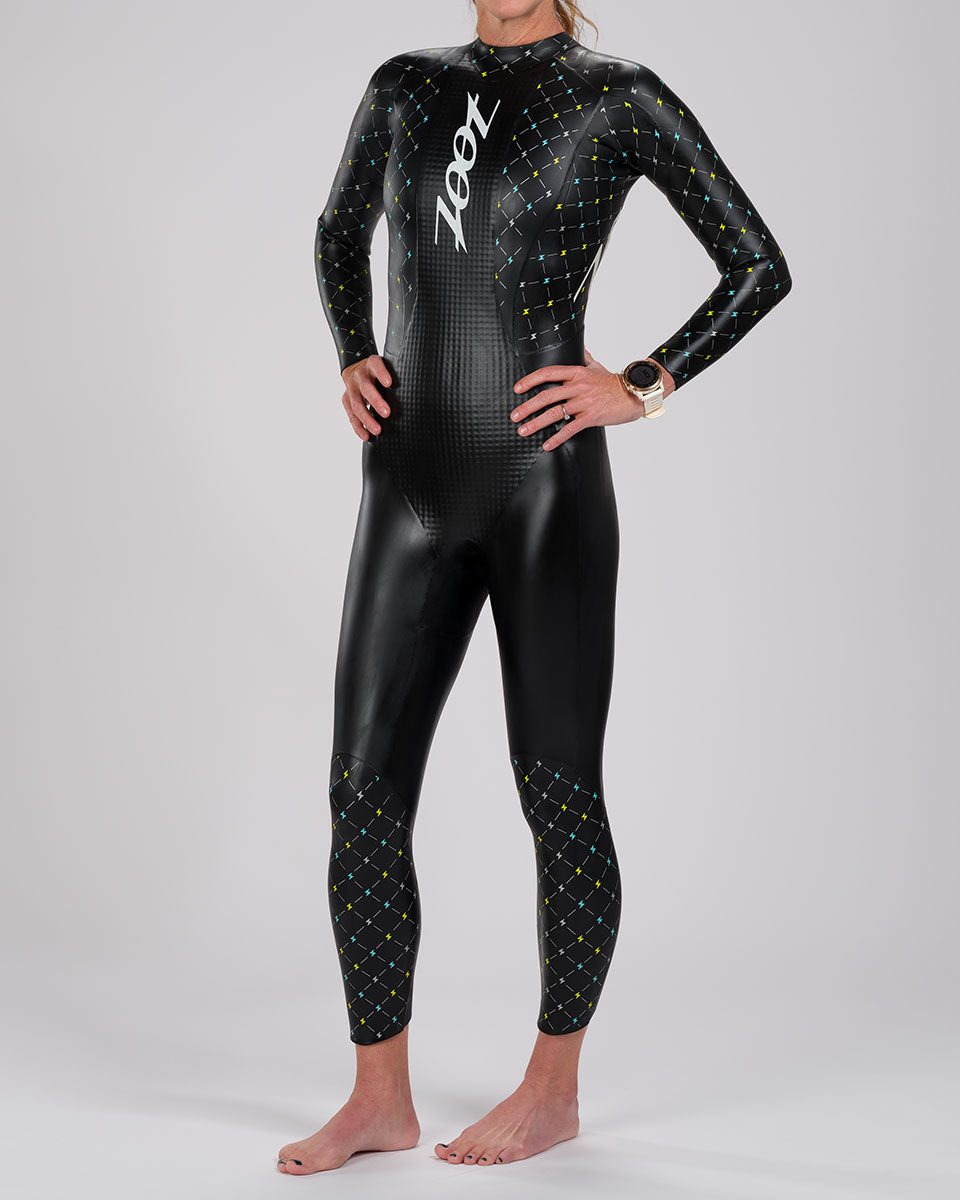
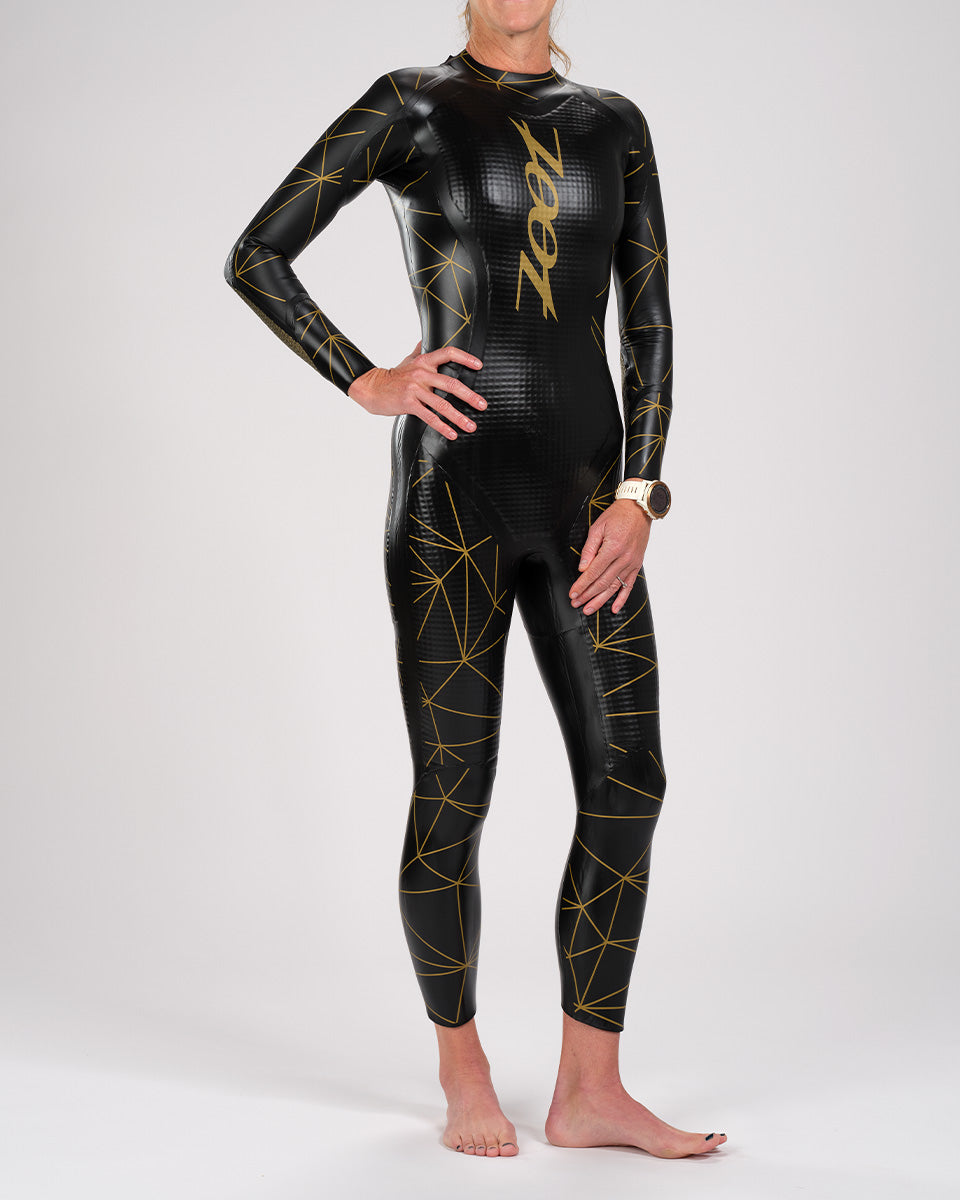
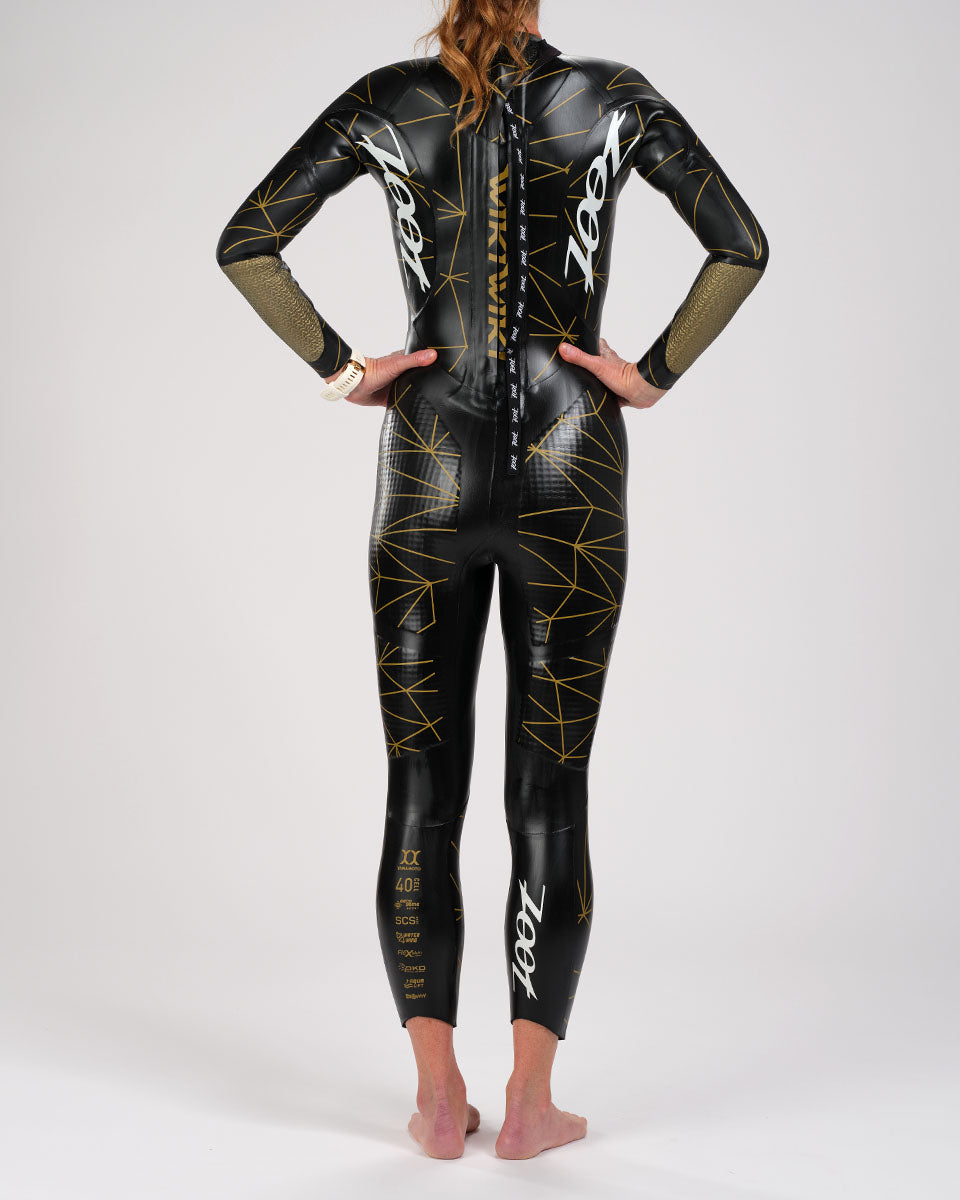
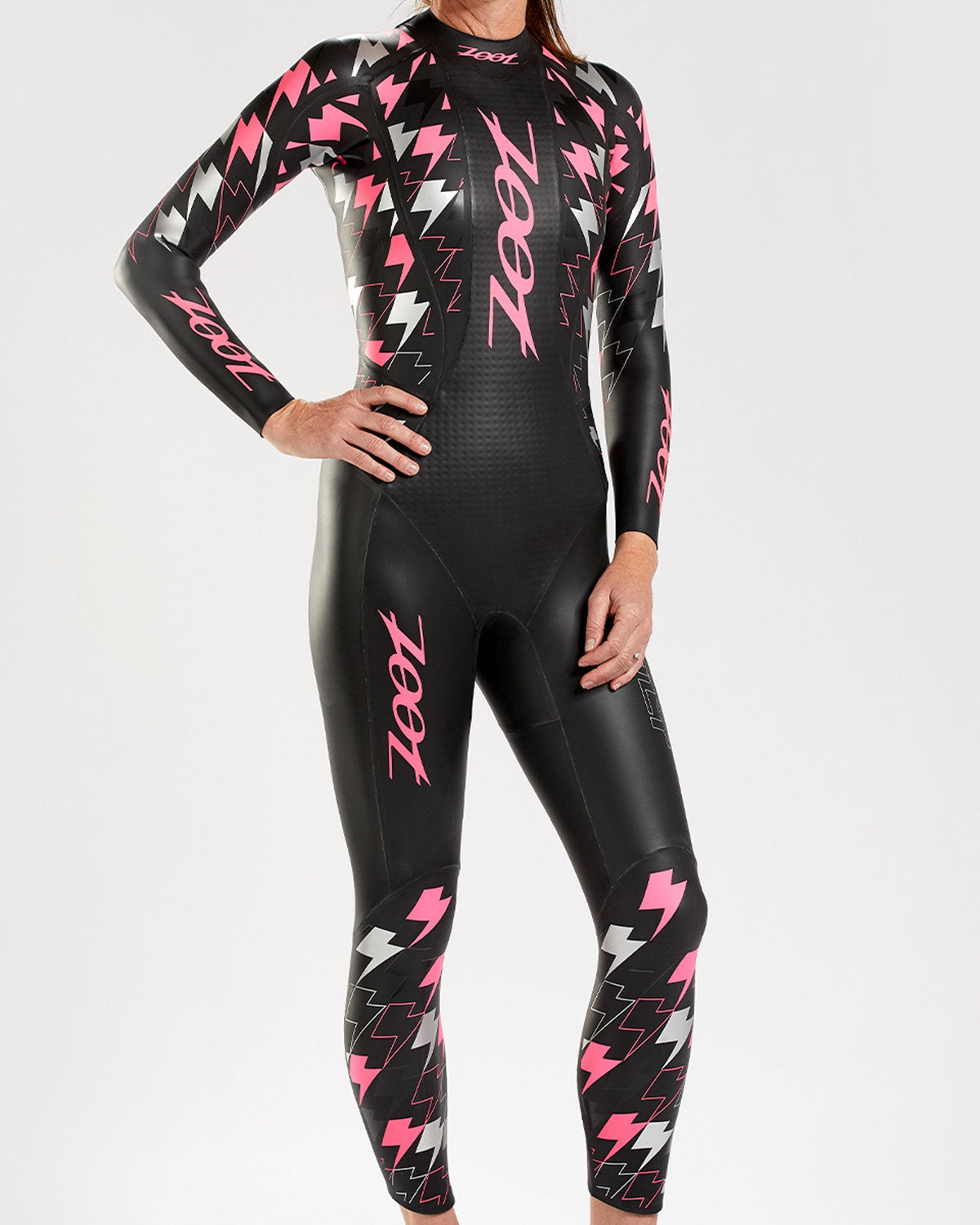
The right wetsuit depends on how you swim. If your legs sink, you need more lift; if you already lie flat, you gain more from flexibility in the shoulders. Below you will find every Zoot model for triathlon and open-water swimming compared side by side, a guide to checking the fit and answers to common questions.






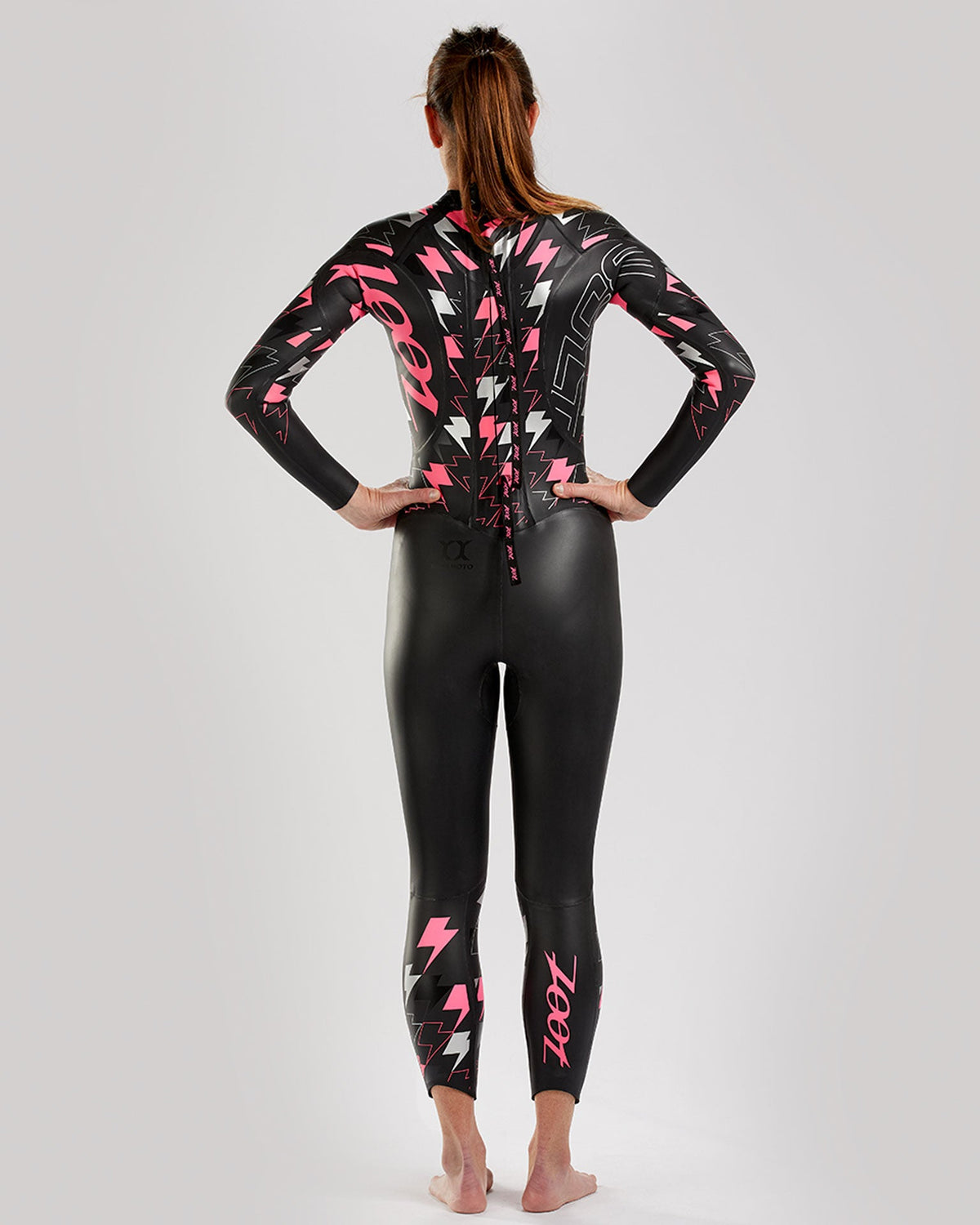


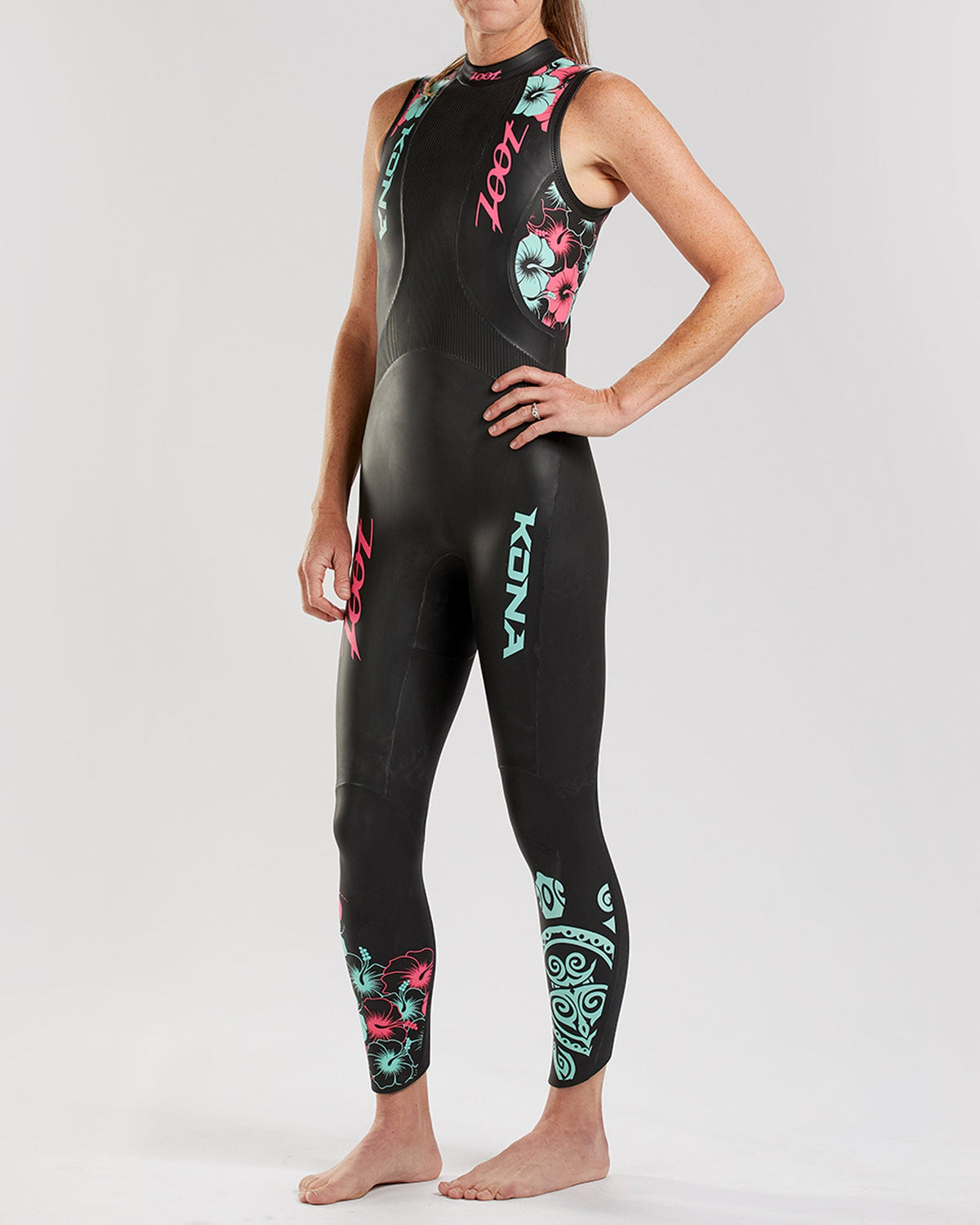

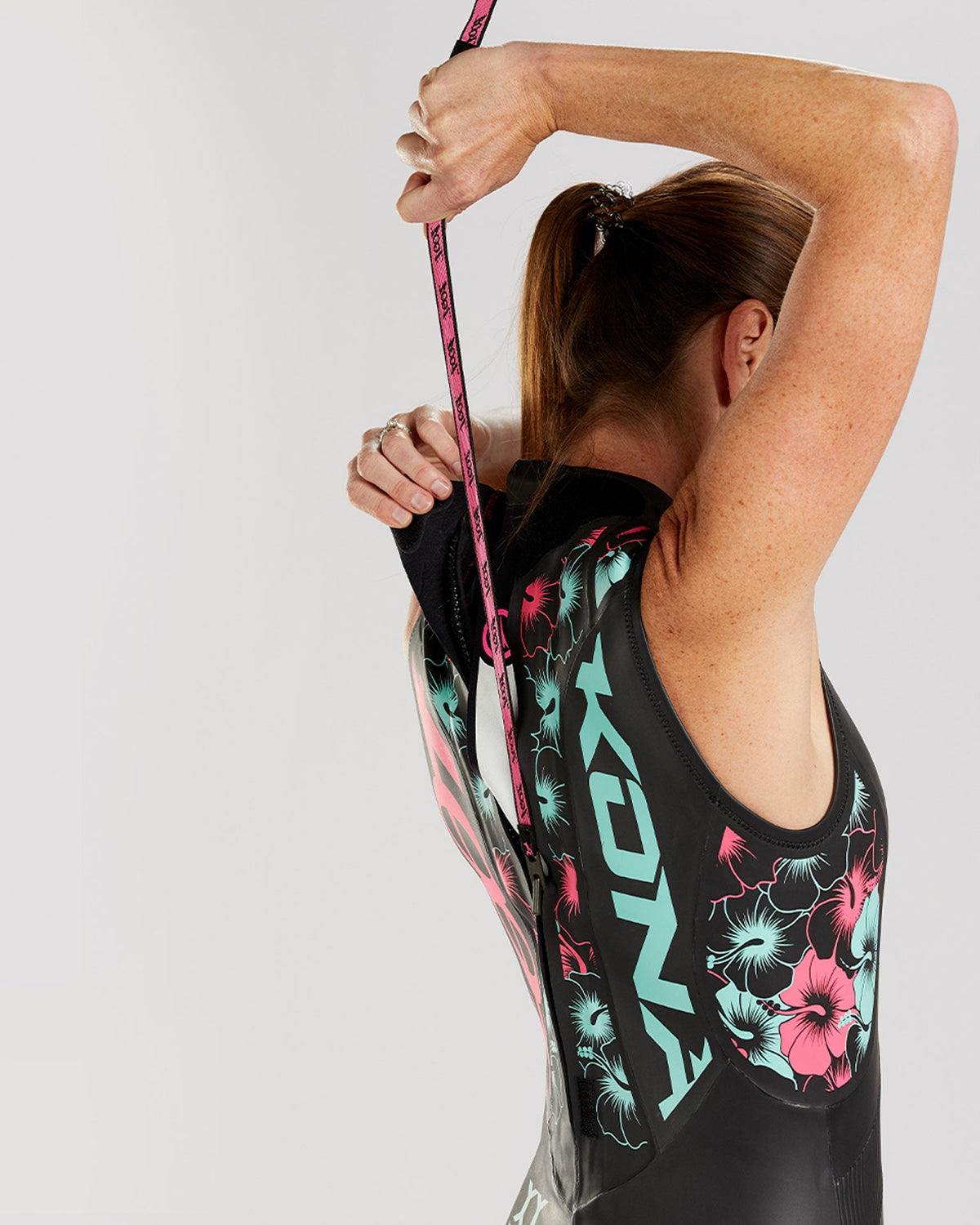


Start with your swimming, not the price tag
A triathlon wetsuit does two jobs: it keeps you warm and it lifts your body into a flatter, faster position in the water. How much lift you need depends on your technique. Swimmers whose legs sink benefit most from buoyancy panels on the hips and thighs. Strong swimmers who already lie flat gain more from thin, stretchy neoprene on the arms and shoulders, because every stroke costs less effort. That is why our range is built in steps rather than as "cheap" and "expensive" versions of the same suit.
- First race or new to open water: Maui. Our most accessible wetsuit, with a forgiving fit and balanced buoyancy that lifts the hips.
- Regular training, all-round use: Kona 2.0 or Bolt 2.0. Both raise the hips with AQUAlift buoyancy; the Bolt is designed for triathletes whose technique is still developing.
- Ambitious age-groupers: Manta, fully coated with Yamamoto SCS neoprene for low drag.
- Race-focused swimmers: the Wikiwiki family, split into Float (more lift), Flex (more freedom) and the 2.0 and 3.0 race suits.
- Cold water: Tundra, with a thermal fleece lining.
- Races without wetsuits: the Wikiwiki Speedzoot or Ultra HydroX swimskin, worn over your tri suit.
Zoot wetsuits compared
| Model | Best for | Key features | In the shop |
|---|---|---|---|
| Maui / Maui Sleeveless | First triathlon, open-water beginners | Neoskin SCS coating for lower drag and durability, balanced buoyancy, forgiving fit | Show Maui |
| Kona 2.0 / Kona Sleeveless | All-round training and racing | Larger GLIDEflex chest panels for deeper breathing, AQUAlift hip lift, 2.0 mm stretch arms (sleeved version) | Show Kona |
| Bolt 2.0 / Bolt | Triathletes still working on technique | Yamamoto SCS #39 and Aerodome for body position, AQUAlift, Optimal Kick Design | Show Bolt |
| Manta / Manta Sleeveless | Triathlon and open-water swimming | Fully coated Yamamoto SCS neoprene, AQUAlift, GLIDEflex chest, stretch arms and shoulders | Show Manta |
| Wikiwiki Aurora Float | Racers who want extra lift | Premium Yamamoto neoprene that raises hips and legs, SCS Nano coating | Show Aurora Float |
| Wikiwiki Aurora Flex | Strong swimmers with good body position | Our most flexible suit, 0.5 mm Yamamoto FLEXskin BRS arms and shoulders | Show Aurora Flex |
| Wikiwiki 2.0 / 3.0 | Race day | 0.3 mm Yamamoto FLEXskin arms, Waterwing catch panel; the 3.0 adds a one-piece chest panel for more buoyancy | Show Wikiwiki 2.0 / 3.0 |
| Tundra | Cold-water swims | Jacquard stretch thermal fleece lining that retains heat and dries quickly | Show Tundra |
| Wikiwiki Speedzoot (swimskin) | Races without wetsuits | Water-repellent Italian stretch-woven fabric, sleeveless for full shoulder mobility, ultrasonically bonded seams, approved for IRONMAN and USAT | Show Speedzoot |
| Ultra HydroX Swimskin | Races without wetsuits, maximum speed | HydroX MemoryFlex fabric developed with FINIS for consistent compression, sleeveless, auto-locking zipper, approved for IRONMAN and USAT | Show HydroX |
Buoyancy or flexibility?
Thicker neoprene floats better, thinner neoprene moves better. Zoot places both where they matter: buoyant Aerodome and AQUAlift panels on the torso and legs, thin stretch neoprene where your arms rotate. If you finish open-water sessions with tired shoulders, look at suits with FLEXskin arms such as the Wikiwiki Flex. If your legs drag and you kick hard to stay level, choose more lift, for example the Wikiwiki Float, Bolt 2.0 or Kona 2.0.
To work on body position in the pool, the buoyancy shorts in this collection lift your hips the same way a wetsuit does and are made from the same Yamamoto materials.
Full sleeve, sleeveless or thermal?
- Full sleeve: warmer and faster, because coated neoprene on the arms glides better than skin. The standard choice for most races.
- Sleeveless: maximum shoulder freedom and easier to put on. A good option for warm-water races and swimmers who feel restricted in sleeves. Available as Maui, Kona 2.0 and Manta.
- Thermal: the Tundra for cold lakes and early-season swims. Combine it with our 4 mm thermo cap and 1.5 mm neoprene booties from the swimming accessories.
Fit check: how a wetsuit should feel
- Pull the suit up in stages until the crotch sits close to your body. Most shoulder restriction comes from a suit that sits too low.
- The neck should seal without choking. A little pressure is normal on land and eases in the water.
- No large air pockets in the lower back; folds there mean the size is too big.
- Arms raised above your head should not pull the suit down at the neck.
- Use your fingertips, not your fingernails, when pulling on coated neoprene.
Finding your size: Zoot cuts men's and women's wetsuits with gender-specific panels and offers tall sizes for athletes who are tall for their build. You will find size advice and the size charts on the pages for men's triathlon wetsuits and women's triathlon wetsuits.
Care
- Rinse inside and out with fresh, cold water after every swim, especially after salt water.
- Dry it inside out first, away from direct sun, then outside out.
- Do not hang it by the shoulders for long periods; fold it over a wide hanger at the waist.
- Store it flat or loosely rolled, never tightly folded or in a hot car.
FAQ
Can I use a triathlon wetsuit for open-water swimming without a race?
Yes. A triathlon wetsuit is an open-water swimming wetsuit: it keeps you warm and adds buoyancy for training in lakes and the sea. The Manta and Maui are designed for triathletes and open-water swimmers alike.
What do I wear under the wetsuit?
Your tri suit. You swim in it, take the wetsuit off in transition and continue on the bike and run without changing.
What if wetsuits are not allowed at my race?
Race organisers decide based on water temperature. For non-wetsuit swims, a swimskin worn over your tri suit reduces drag without adding buoyancy.

